

By Andrew Scanlon, Head of Sales and Marketing at Paxon, a newly formed third-party logistics brand created by bringing together three specialist providers: Active Ants, Staci and Radial.
Retail has spent years refining convenience. Faster delivery, smoother checkout journeys and greater personalisation have all helped remove friction from ecommerce. Yet as those expectations become standard, differentiation increasingly depends on something less functional: how a brand makes customers feel.
Consumers are placing greater value on experiences that feel immersive, considered and emotionally engaging. Increasingly, they expect brands to create worlds they can participate in rather than simply products they can buy. 71% of consumers expect brands to deliver personalised interactions, and 76% feel frustrated when brands fail to deliver (McKinsey).
This shift is influencing everything from product launches to store design, loyalty strategies and post-purchase engagement, and more so than ever, fulfilment. The emphasis is moving beyond transactions towards experiences that feel memorable and coherent across every customer interaction.
From transaction to participation
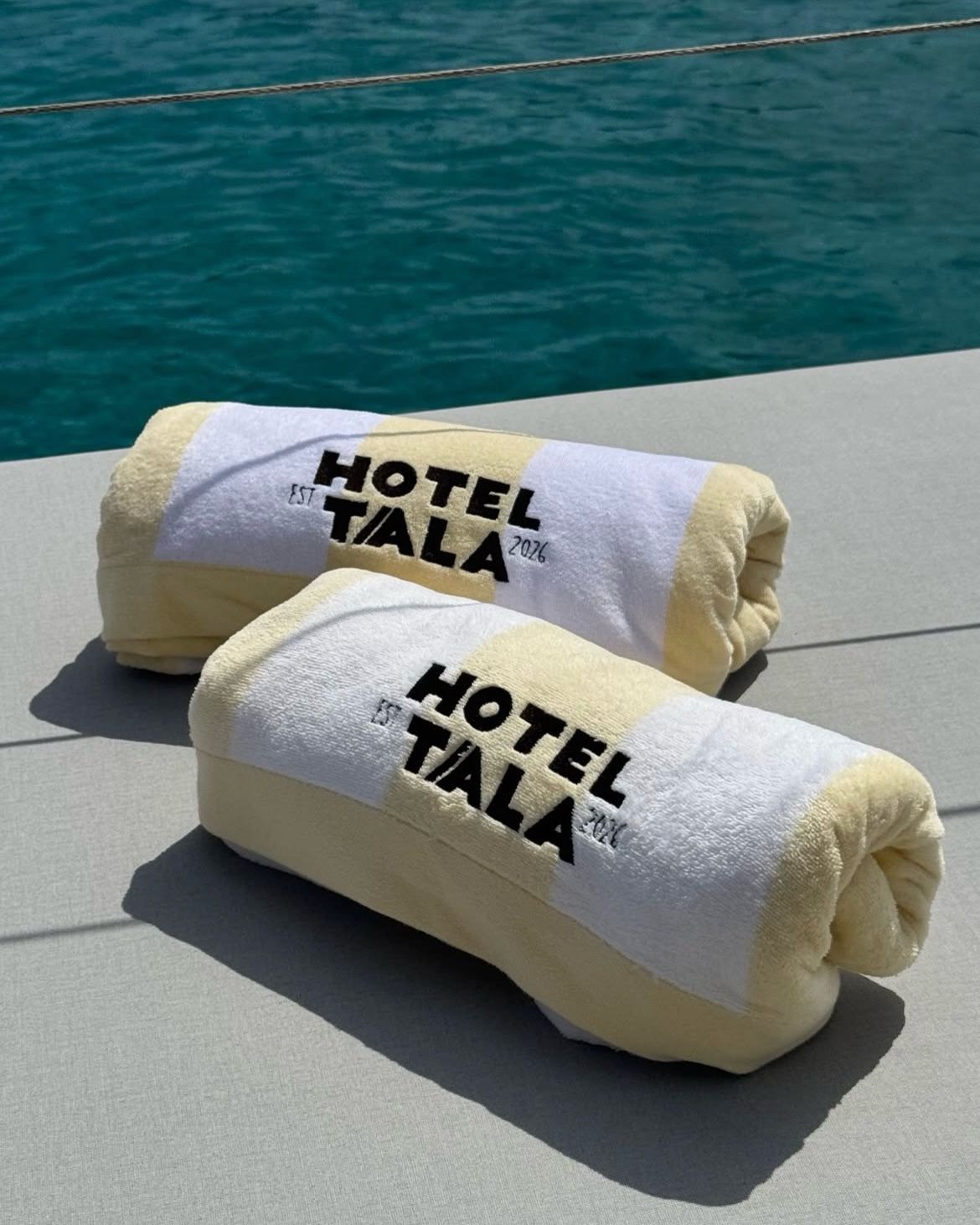
Examples are appearing across multiple sectors. Athleisure brand TALA recently transformed a product launch into a hospitality-inspired experience with ‘Hotel TALA.’
This experience was complete with branded robes, room keys, towels, curated gifting and shared activities.
Rather than centring solely on product, the launch created an environment customers could imagine inhabiting.
Source: @wearetala
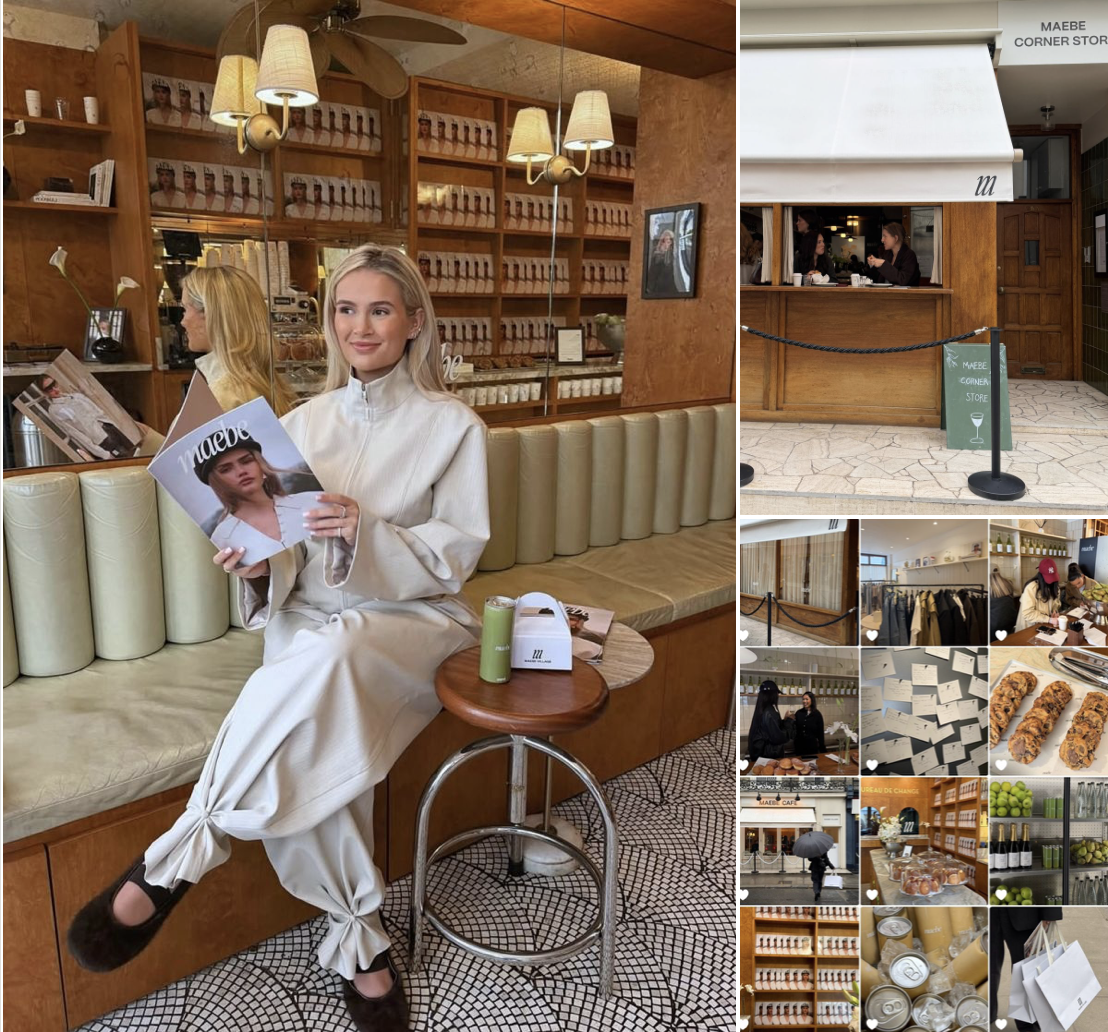
Elsewhere, the lifestyle storytelling surrounding fashion brand Maebe reflects a similar instinct.
The brand leans into aspiration, identity and familiarity, creating a sense of belonging around a wider lifestyle rather than focusing purely on apparel.
The brand’s latest pop-up ‘Maebe Village’ blended shopping, coffee, food and wine into one immersive experience.
From this, visitors stepped into the world of Maebe.
Source: @maebestore
The experience cannot stop at checkout
For many ecommerce brands, significant effort goes into shaping the customer journey. Campaigns are carefully art directed, product pages are refined, and social content is designed to create aspiration, trust or excitement. However, the post-purchase experience can still feel disconnected from everything that came before it.
A carefully considered brand story can quickly lose momentum when an order arrives in generic packaging with little thought given to presentation or customer context. The transaction may be complete, but the impression is unfinished.
For digitally native brands in particular, delivery is often one of the few physical moments of interaction with customers. That makes fulfilment a rare opportunity to reinforce brand identity in a tangible way.
Historically, fulfilment has been measured through operational metrics: speed, accuracy, cost and delivery performance. Those measures remain essential. But expectations have expanded. How an order looks, feels and arrives increasingly shapes customer perception.
Why fulfilment is becoming part of brand storytelling
Packaging, presentation and unboxing are increasingly functioning as extensions of brand identity rather than operational afterthoughts.
At its simplest level, fulfilment is about consistency. If a brand promises quality, care, exclusivity or personality during discovery and purchase, customers increasingly expect those qualities to carry through to delivery.
The smaller details can often have the biggest impact. A thoughtful insert, tailored messaging or subtle presentation touch can create a stronger emotional response than expensive promotional activity. Handwritten notes, personalised recommendations, premium presentation or carefully considered copy can all reinforce familiarity and intent.
For retailers competing in crowded categories, these interactions can become commercially meaningful differentiators.
Social commerce is raising expectations
The growing influence of social commerce is adding further pressure to rethink fulfilment. Increasingly, ecommerce experiences begin on social platforms such as TikTok, where TikTok Shop sales are expanding rapidly. Global Gross Merchandise Value (GMV) surged 94% to $64.3 billion, cementing the app as a mainstream social commerce player. Here, product discovery, recommendation and purchasing happen within highly visual, emotionally driven environments.
That creates a new expectation around continuity. Customers discovering products through creators, routines or storytelling often expect delivery to reflect the same identity that influenced purchase in the first place.
Packaging therefore carries marketing value alongside functional value. A well-executed unboxing can encourage customer sharing, reinforce emotional engagement and extend visibility organically. Tailored offers, complementary product suggestions or replenishment messaging can also feel additive rather than promotional when presented in a way that aligns with customer needs and purchase intent.
Why beauty and wellness brands are leaning into post-purchase experience
Beauty and wellness provide particularly strong examples of how fulfilment is evolving. In these categories, results often depend on routine, repeat use and education rather than one-off purchase behaviour. What happens after checkout can materially influence satisfaction and retention.
Brands increasingly use inserts, QR codes and customised guidance to reinforce how products should be used, explain routines or recommend complementary products. A skincare customer purchasing active ingredients, for example, may receive guidance on application or product layering, while wellness brands may offer education linked to routines or customer goals.
For social-commerce-led beauty brands especially, fulfilment also plays an important visibility role. Customers purchasing through TikTok Shop or creator-led discovery channels are often primed to share experiences, making presentation another opportunity to reinforce loyalty and advocacy.
However, this creates additional operational complexity. Retailers increasingly need fulfilment partners capable of managing platform-specific requirements, courier preferences and presentation standards without compromising delivery performance.
Turning fulfilment into a strategic capability
As customer expectations evolve, fulfilment operations face a more demanding brief.
Retailers increasingly expect custom packaging, inserts, promotional materials and tailored messaging to sit within standard fulfilment workflows rather than exist as manual exceptions. Accuracy and speed remain essential. But retailers are also under pressure to deliver more personalised experiences consistently and efficiently.
This is where operational design becomes important. Retailers should increasingly expect fulfilment partners to combine automation, data insight and trained warehouse teams to support relevant personalisation at scale.
Customer and order data can help identify behavioural patterns, purchasing triggers and demand peaks that inform more effective post-purchase experiences, while human oversight remains important where presentation standards require greater care. The goal is to make personalised fulfilment repeatable rather than exceptional.
Every touchpoint shapes perception
Consumers increasingly expect interactions with brands to feel connected, thoughtful and emotionally coherent. That expectation extends beyond product quality or digital experience into every moment of engagement.
Brands investing heavily in storytelling, community and identity therefore face an important question: does the experience continue once the order leaves the warehouse?
The brands most likely to stand out over the coming years may be those that treat fulfilment not as a functional endpoint, but as part of the same experience customers bought into from the start.
Published 02/06/2026
