By ShoppingIQ
CSS Advantage: Unlocking 20% More Bidding Power In Google Shopping
In todays performance-driven advertising landscape, retailers are constantly looking for smarter ways to stretch their media budgets without compromising results.
As CPCs rise and competition intensifies across key markets, the focus on efficiency has never been more urgent.
Google Shopping has become the backbone of paid media strategies for retailers. It drives high-intent traffic and fuels lower-funnel sales, but many brands are unknowingly leaving performance on the table.
Yet one of the most powerful and underutilised levers in the Google Shopping ecosystem remains largely overlooked: Comparison Shopping Services (CSS).
What Is The CSS Advantage And Why Should Retailers Care?
The CSS programme was introduced following a 2017 European Commission antitrust ruling, which fined Google ‚¬2.42 billion for giving its own Shopping service preferential treatment in search results.
Heres the twist: Google had set up Google Shopping as a separate business unit (likely for tax and accounting purposes). But this structure backfired. Because Shopping was technically a separate business, the Commission ruled that Google was effectively giving one company inside its group a monopoly in the ad listings.
To comply, Google opened up shopping ad auctions to external players. This created a new ecosystem of certified Comparison Shopping Services (CSS), enabling partner companies to run Shopping campaigns on behalf of retailers.
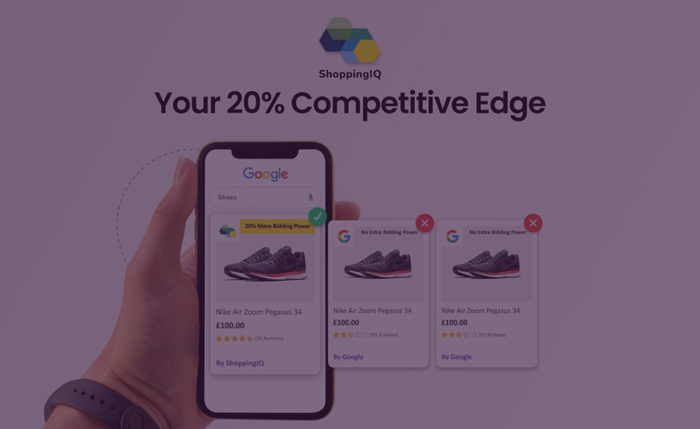
Unlike ads run directly through Google Shopping, where an internal margin of around 20% is taken, CSS partners pass this value back to advertisers, giving them more bidding power. Importantly, this wasnt part of Googles strategy; it was the result of regulatory pressure.
A year after the ruling, the CSS programme was fully rolled out across Europe to level the playing field. It gave advertisers more choice, while also providing value back to CSS partners. This is done by passing the full 20% saving back to advertisers, giving them, by default, 20% more budget to win visibility in Googles auctions.
Why Google Keeps It Quiet
This is something Google never wanted. While Google is legally required to offer these benefits, it is not obliged to promote this feature, let you know it exists, or provide any reporting.
If it did, the value of the benefit would be more widely known and would naturally encourage more advertisers to utilise a CSS.
However, offering permanent discounts doesnt align with Googles commercial interests. In short, using a CSS can help better manage the rising expenses of Google Shopping Ads. You can consider this your quiet advantage.
Google Makes It Hard To Realise The Benefits
As highlighted above, Google never wanted this programme. There is no report inside Google Ads that clearly shows performance with or without CSS. On top of that, some traditional CSS partners have misled clients by suggesting its a simple 20% discount on CPCs.
Thats not accurate. CSS provides 20% more bidding power, which can help reduce your CPC (cost per click), but more often it allows you to scale at a lower cost.
The benefit also only applies to Google Shopping placements, not Search, Gmail or other inventory bundled into the increasingly popular Performance Max campaigns, making efficiency even harder to track directly.
Alam Hosseinbor, Director at ShoppingIQ, highlights this point:
Too many brands are being misled. This isnt a flat 20% discount. Its legally binding additional bidding power that gives your campaigns the edge.